I work with leadership teams at purpose-driven organizations, for-profit and nonprofit, who already want AI in how they work and haven't yet worked out how to get there as a team. In every engagement I build the systems your team runs on and teach your people to use AI well, which is what keeps the work going once I step out.
I got here through twenty years inside organizations, as a CEO and most recently as an embedded fractional COO. I'm not a developer, so I build with Claude (adding tools like Lovable and Supabase when a system needs them) while keeping the habits a careful engineering team would: a separate test environment, version control, and documentation your team can follow.
If your team is like most I meet, someone has had ChatGPT open all week, someone else tried Copilot once and gave up, and a few people are using it on the side without mentioning it. Everyone can feel it could change how your team works, but nobody's quite sure where to start. And if your board asked what AI has done for the organization this year, nobody could point to much. I start with Foundations, so the whole team has support, knows the guardrails for using AI safely and responsibly (because the team wrote them), and sees what's possible in its own work. From there we build what your team needs to work this way every day: the skills in each person, the systems the work runs through, and the architecture underneath (shared instructions, automations, and the connections between your tools). Everyone comes along with it, so the change in how your team works is one you made together and on purpose.
For the leader
I've been inside enough organizations to know this within a week of arriving: everyone can tell whether the leader actually uses AI. If you're not working with it and building with it yourself, no policy will convince your team to.
Leading this doesn't need to become your second job. I was CEO of a global health organization and grew the team from 20 to 70 people, so I know what it takes to lead change from the top. I also run my entire practice on an AI operating system I built myself, which means everything I show you is something I use every day.
In our first session I set you up with a lightweight AI system that knows you and your work, so it's useful from day one. After that, I use each session to work on your own fluency (lessons built around whatever is on your desk that week) and on your team: how they're using AI today, what worries them, and a plan for bringing them along, with the guardrails and privacy answers your people will rightly ask for.
For the whole team
Before I run anything, I talk with the leadership team and send everyone an anonymous survey, so I know exactly where people are: who's already using AI and how much, who's excited, who's worried, and what they're worried about. Most people turn out to be using it on their own already, without any shared agreement on what it's allowed to touch.
I tailor the two sessions to what comes back. We take the concerns people raised and work through them one by one, then define exactly what needs to be true for the team to feel comfortable using AI: what it's allowed to do on which work, at what level of review, what it never touches, and how your data stays protected. The security basics are part of that from the start, including safe settings on the tools, what Claude has to ask permission for before it acts, and which accounts and information stay off-limits. Your team writes all of it down as its own agreement, in its own words.
At the same time, I show the team what's possible with the work you already do, because the guardrails are there so people can be ambitious with AI. I want everyone to leave the second session excited about what they could build and clear on where the lines are.
In September I started Foundations with two teams. One of them, a global health organization, finished both sessions with a written agreement on how they'll use AI, drawn from the team's own words. For that team, Foundations was the first part of a longer program with me. Read how it went.
A private program for your whole team
This draws on what I teach in TEMPO, my cohort for individuals, rebuilt for a team working in Claude together and shaped around how your organization works. Before we build anything, I spend time understanding your team's work: where the friction is, what people are trying to get done, and where AI would make the most difference.
In a public TEMPO cohort, everyone leaves with a system of their own. A private program for your team keeps that part (each person still builds on their own work, so what they build is in use the same week) and adds what the team shares: the instructions that let every person's Claude know your organization, shared skills for the work you repeat, and one standard for what it means to have used AI on something before it goes out.
By the end, your team has real skills and working systems they built themselves. They also have a shared way of using AI that no longer depends on the one or two people who were already ahead.
One process rebuilt with the person who owns it
Every organization runs on a handful of processes it repeats constantly: hiring, procurement, forecasting, reporting, marketing. Most were never really designed. They're held together by manual work, a few key people, and knowledge that lives in someone's head, which is fragile and usually the reason things slow down as you grow.
I take one of those and rebuild it with AI in the loop, working with the person who owns it, so it runs reliably and stops depending on any one person. Your team ends up owning the process, the agents doing the heavy lifting, and the skills to keep improving it.
Some of what that's looked like: contractor management and procurement, financial forecasting, hiring, and marketing automation. See the case studies below.
You can also try one. I built a board view of a made-up nonprofit's finances that shows when salary money runs out, whether grants are being spent on time, and what happens if expected funding arrives late. It works the same way as the one I built for a nonprofit I work with, but every name and number in it is invented.
Six months inside your team
I join your team for six months, sitting in your team meetings and building with the people who'll use each system, so I know what everyone is working on. I work alongside the COO and the leadership team (someone else holds operations, policies, and compliance the whole time).
In the first month I mostly listen: I sit in the standing meetings, read what the team produces, and talk to each person about their work. From that I map where AI could take work off people's plates and where each person is with AI today, so we can decide together what to build first. I build that first system myself so something is running before the month is out.
From month two to month four we build, with each system made alongside the people who'll use it and a program for the whole team running at the same time. By month five your team is running everything with me still in the room, so problems come up while I can fix them. Month six is the handover (documentation, plus a named partner running the systems) before I step out.
I built the systems in the first two case studies below from inside those teams, as their fractional COO, which is the closest thing I've done to this engagement so far.
If six months is a lot to agree to before we've worked together, we can start smaller, with Foundations, executive partnership, or one discrete build. Then we'll both know whether the longer engagement is the right fit.
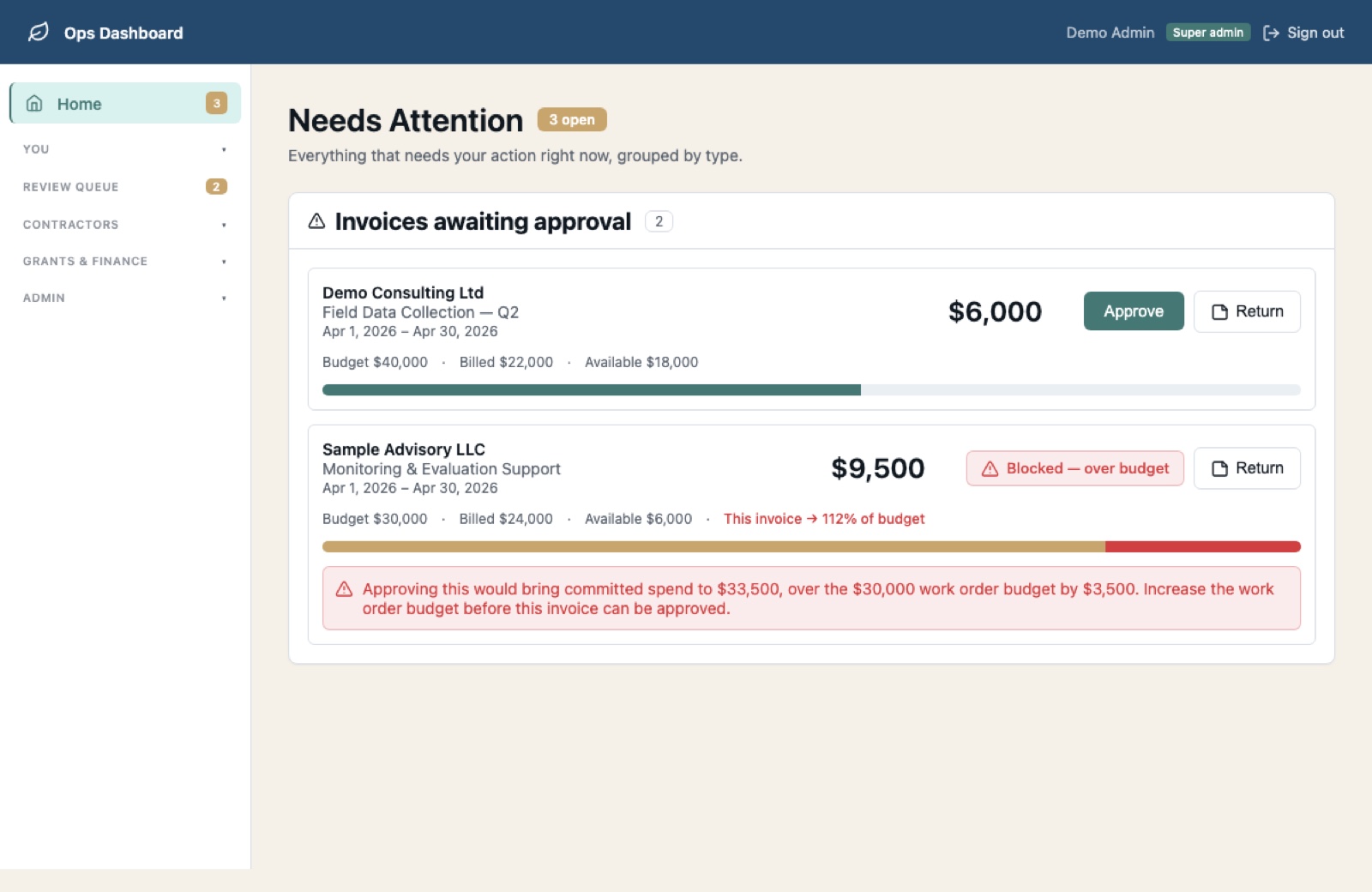
A fast-scaling nonprofit's contractor management, procurement, invoicing, and grants, moved from email and spreadsheets to one system. Built in four weeks.
Read the full story →
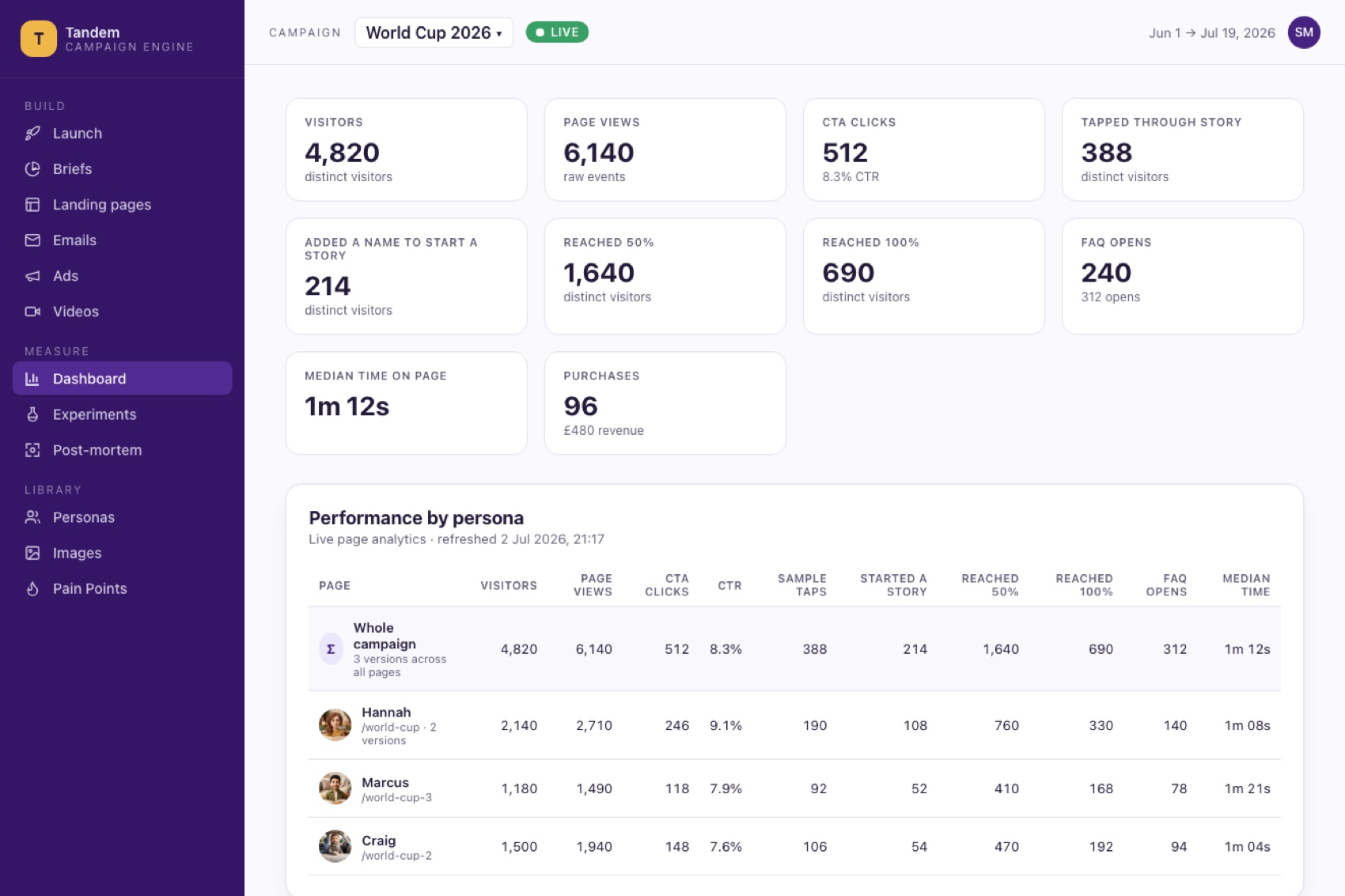
AI drafts the creative, a marketing manager agent grades every piece, humans approve at every gate, and every campaign's learnings feed the next.
Read the full story →
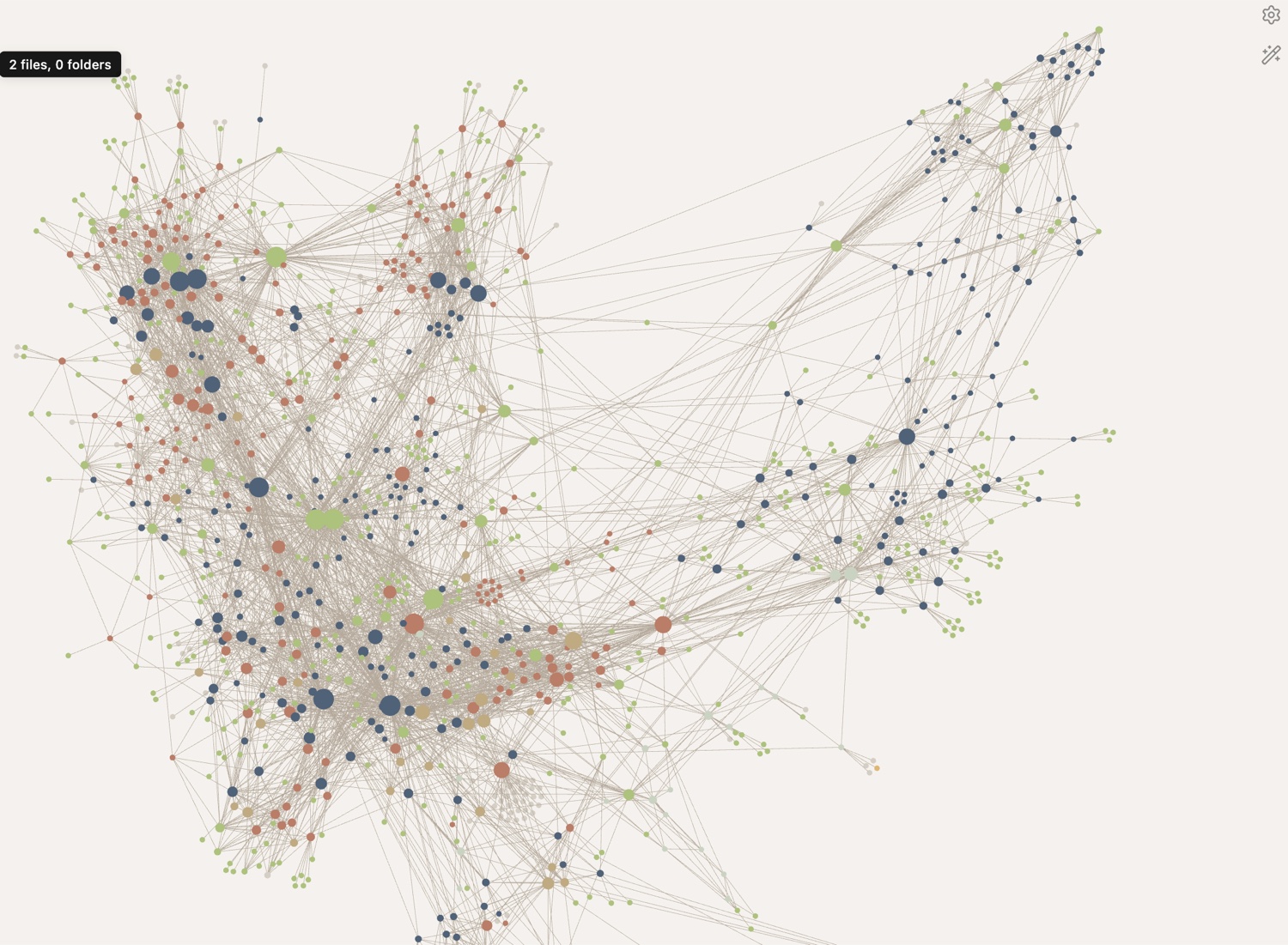
The AI operating system I run my multi-client practice on every day. It's what I teach individuals to build in TEMPO and what I start from when I work with a team.
Read the full story →“Erica is a rare combination as a fractional COO: real experience, sharp judgment, and energy most people can't sustain even full-time. ‘Fractional’ usually implies half-there. Erica is the opposite, her presence and contributions are constant. And the work she does elsewhere doesn't dilute her focus on Tandem, it sharpens it. She brings back better instincts and patterns from other rooms that make us better too. Highly recommended (but don't hire her full-time please!).”
Claude. I teach and build with Claude, alongside tools like Lovable, Supabase, and n8n when a system needs them. Everything I build and teach is made for Claude, so for team capacity and the Embedded AI Partner engagement your team needs to be on Claude or to have decided to move to it. The systems won't run on Copilot, ChatGPT, or Gemini as they are.
Claude licenses are a separate cost, paid to Anthropic. I'll help you work out which plan your team needs. If you haven't settled on a platform yet, that decision is often where we start.
Before anything is connected, we decide together what AI is allowed to touch, who can see what, and where a person on your team makes the call. In Foundations, your team writes that into its own agreement. Anything that shouldn't go near AI stays outside what we connect.
For team capacity, plan on three to four hours a week per person while it runs, which covers the live sessions and building on their own work. Foundations is a few conversations with your leadership, an anonymous survey, and two sessions of about two hours with the whole team, online or in person. For a build, most of the time comes from the person who owns the process, since I build it with them and they're the one running it afterwards.
Yes. I'm based in Portugal and work with teams across the US, Europe, and Africa, so we set session times around where your people are.
It fits when your leadership already wants AI in how the organization works and you're looking for how to get there as a team. I work with startups, small businesses, and nonprofits. The engagements I've seen go best have been with teams who are curious and ready to build, whatever their sector or size.
More answers on the FAQ page.
Everything on this page is how I work with organizations. If you're an independent professional who wants to build your own AI operating system, I teach that directly through TEMPO, my six-week cohort.
See TEMPO for individualsA free 15-minute call is enough to see whether there's a fit and which way in makes sense. If there is, I'll follow up in writing with what I'd suggest and what it would cost, so you have something to take to your leadership team. If you'd rather write first, email me at erica@layeradvisory.com.
Book a free 15-minute callEvery engagement here is the same idea applied: adopt AI deliberately, so it strengthens your team's thinking, in service of work that matters. That's what I mean by AI on purpose.