I lead a team of AI agents the way I've led people for twenty years
In September I asked Claude to help me plan 2027. It read my partner meetings, every goal session I'd had with it and the market research in my weekly brief. Then it built me a planner that shows how much revenue each mix of work would bring in, and roughly how many hours a week it would take. I'm using it now to decide what work I take on.
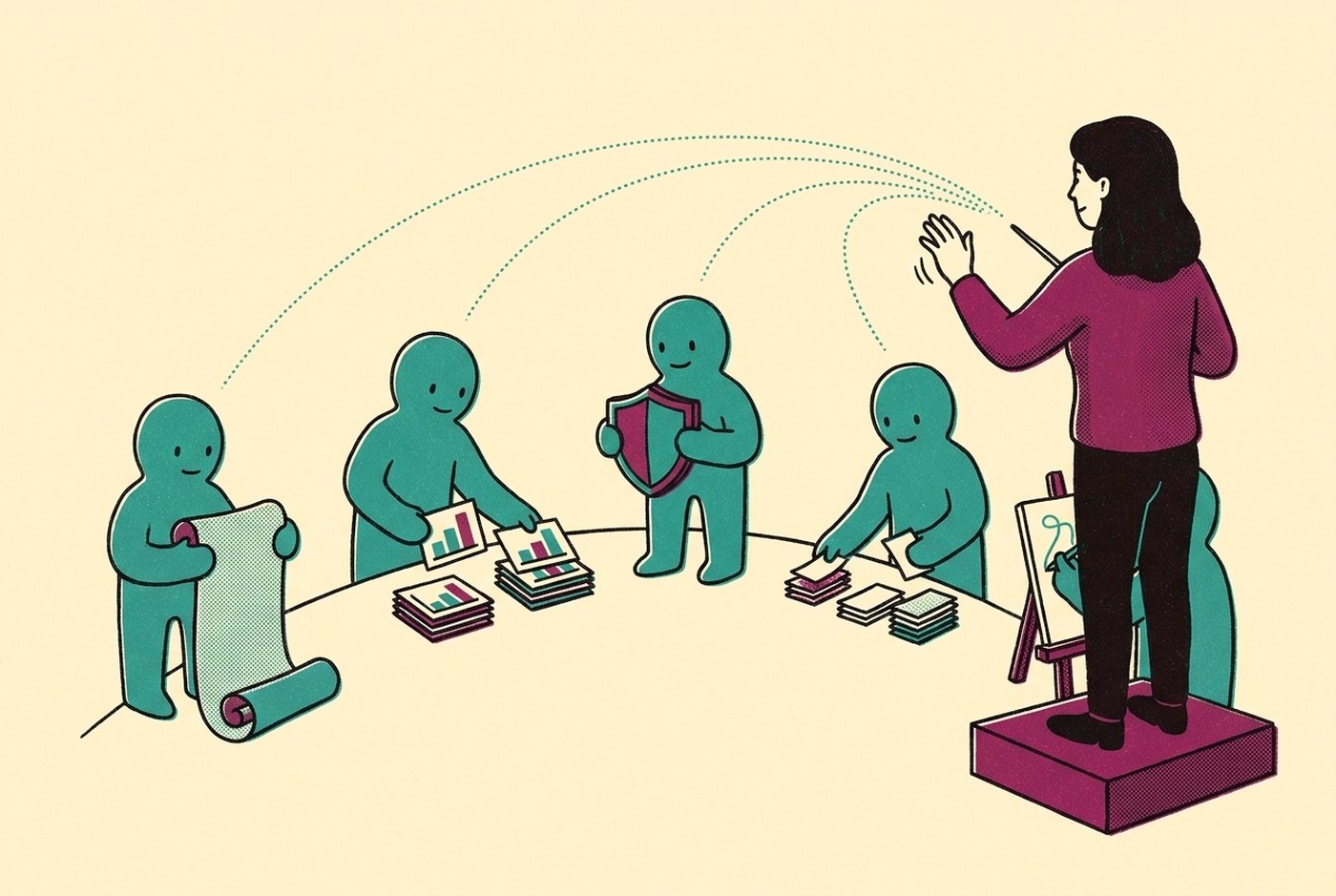
To me, that's what a very senior chief of staff does. Then I realized I don't have one. I have several, working at the same time. One helps me with my own strategy while another builds the slide deck for my next cohort session. Another builds a budget model for a client. Another reads a client team's call, chats, email and code to update their task list, and checks with me before it publishes anything.
The clearest way I've found to explain it is the one closest to my own experience. For twenty years I've led teams of people, and my agents turned out to need exactly what a new hire needs: the right context, a clear sense of my priorities, a picture of what good looks like, and feedback that gets remembered.
Almost everything I've built this year is a way of giving them those four things without briefing each one from scratch. And like a new hire, an agent only gets more responsibility as it proves reliable. Anything that can't be undone still comes to me first.
Read the full post
This is the short version. The full post covers a day with nine sessions running at once, how one set of files gives every agent the same context, the graded loop that holds work to my standard, the routines that run without me, where I stay in charge, and one thing to try this week if you're where I was in January.
Read the full post on Substack →Leading a team? Here's how I work with teams.