Treat AI like a new colleague
I've been writing this week about the need for leaders to model effective AI use, and to have their own "holy crap" moment that gets them inspired by what's possible. But most people I speak with don't know where to start.
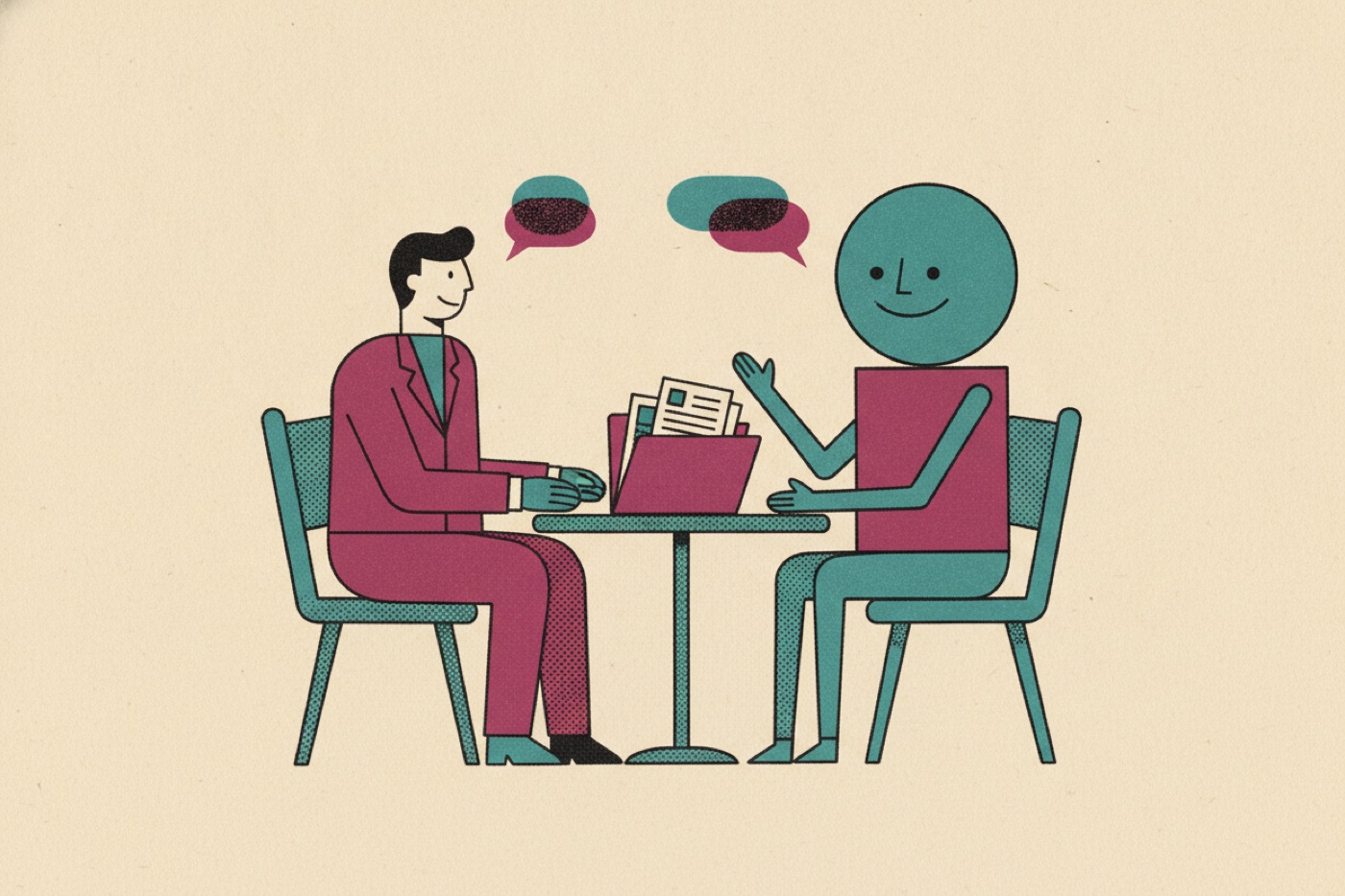
The best approach I've found is to treat AI like a new colleague. You wouldn't hand a new hire a vague task on day one. You'd tell them about your work, give them documents to review, let them ask questions, and figure out together what they can do, with your oversight along the way. You can do exactly that with AI.
Start by onboarding it the way you would a new team member. Gather the things you'd give someone joining your team. Your strategy, a few things you've written, notes from recent meetings. Put them in a folder on your computer so AI can read them.
Then sit down with it in Claude's Cowork, where AI can work alongside you and actually build things, not just answer questions in a chat. Give it everything you gathered by pointing it at the file pathway of the folder.
Then let it interview you and engage with it as you would a new colleague.
Here's a prompt you can use to get started:
This approach makes AI slow down and think with you before acting. If you don't give it steps 1-5, it will jump into building something that won't be based on your context, goals and ideas.
It also follows a simple rhythm: brainstorm, plan, build, test. The interview is the brainstorm. The plan is what you sign off on before anything gets made. Then you build it together and test it on real work.
In Claude Cowork, agentic AI will both give you ideas and do work for you - create documents, build presentations, etc.
Once you've been through that loop once, you can run it again on the next idea.
This is one of the simplest ways I know to get to your own "holy crap" moment. It helps you find where to start, and then it works with you to build the solution.
If you've been wondering where to begin with AI, this is a good place. And build from there. Bring it in like a new colleague, tell it about your work, and let it interview you. Then tell me how it goes.
This is one piece of my AI operating system.
I write about building it, in public, in my newsletter AI on Purpose.
Subscribe to AI on PurposeLeading a team? Here's how I work with teams.